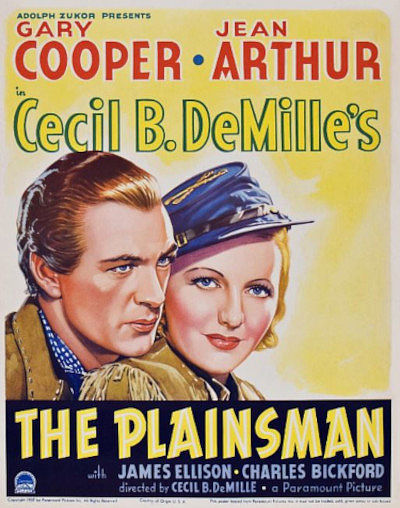
 Gary Cooper plays Wild Bill Hickok; James Ellison plays his good friend Buffalo Bill.
The latter is just married and hoping to settle down as a hotel owner. Or at least his wife Louisa is hoping to settle him down by having him become a hotel owner.
The Cheyenne and Sioux might interfere with those plans. Supplied repeating rifles by gun manufacturers who no longer have Rebel and Union armies to supply, the Cheyenne go on the warpath against the whites who are encroaching on their land.
Gen. Custer calls on Buffalo Bill for scouting help. Naturally, he can’t say no. He winds up leading a detachment rushing ammunition to a fort badly in need of supplies.
Meanwhile, Wild Bill is dispatched to deal with Chief Yellow Hand, who’s behind all the trouble.
Both he and Calamity Jane (Jean Arthur) wind up prisoners; the Indians nearly torture Wild Bill to death.
Calamity Jane saves him, but only by divulging which route a cavalry supply detail is taking.
The detail is ambushed, of course. Wild Bill blames Calamity, though she partly redeems herself by summoning help in the nick of time.
More than Calamity, Wild Bill blames the gun runners, led by a man named Latimore. He’s the next man Wild Bill plans to deal with.
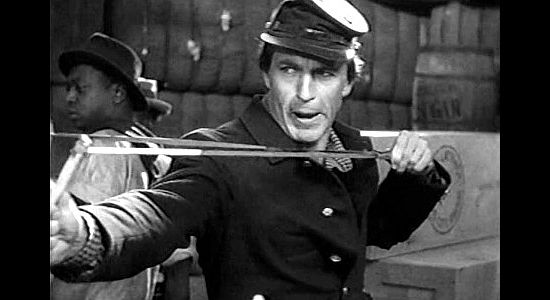
Gary Cooper as Wild Bill Hickok, fresh out of the Union army and about to play a prank on longtime friend Buffalo Bill in The Plainsman (1936)
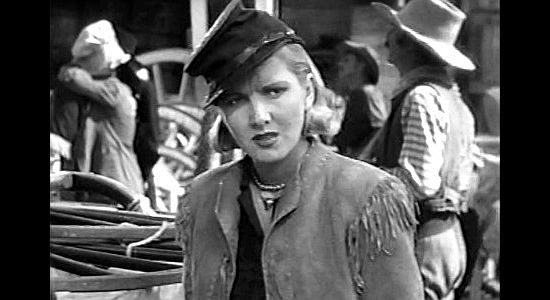
Jean Arthur as Calamity Jane, feeling scorned when a reunion with Wild Bill doesn’t go quite as planned in The Plainsman (1936)
 Review:
Great fun and the best of Cecil DeMille’s Westerns, mixing rousing action sequences — the Indian attack on fortified troops is superbly done — with the budding romance between Calamity and Wild Bill.
Typical of a DeMille film, this Western takes in a lot of ground, beginning with Lincoln’s assassination, including Custer’s Last Stand and ending with the killing of Wild Bill Hickok. Don’t use it as a history lesson.
But Copper and Arthur are splendid together. She’s the bullwhip-wielding, stage driving woman who likes Wild Bill better than any other man and just wishes he would like her back.
He’s the frontiersman wary of a woman’s effect on a man and reluctant to admit any feelings for Calamity, though he carries a photo of the two of them together in his watch.
And it all leads up to one of the best endings you’ll find in a Western.
Anthony Quinn has a bit part as an Indian who informs Buffalo Bill and Wild Bill of Custer’s demise. It marked just his second credited film role.
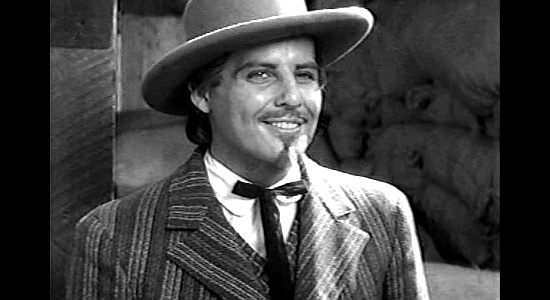
James Ellison as Buffalo Bill Cody, returning from a trip East and about to be razzed about his gentlemanly duds in The Plainsman (1936)
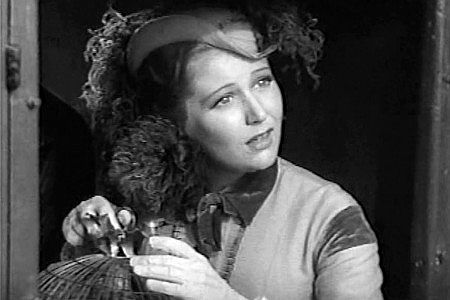
Helen Burgess as Louisa Cody, heading west with her caged bird and her new husband, Buffalo Bill, in The Plainsman (1936)
Directed by:
Cecil DeMille
Cast:
Gary Cooper … Wild Bill Hickok
Jean Arthur … Calamity Jane
James Ellison … Buffalo Bill Cody
Helen Burges … Louisa Cody
Charles Bickford … John Lattimer
Porter Hall … Jack McCall
Paul Harvey … Chief Yellow Hand
Victor Varconi … Painted Horse
John Miljan … Gen. Custer
Frank McGlynn Sr. … Lincoln
Purnell Pratt … Capt. Wood
Anthony Quinn … Cheyenne Indian
Runtime: 115 min.

Charles Bickford as John Lattimer, agreeing to sell repeating rifles to the Indians in The Plainsman (1936)
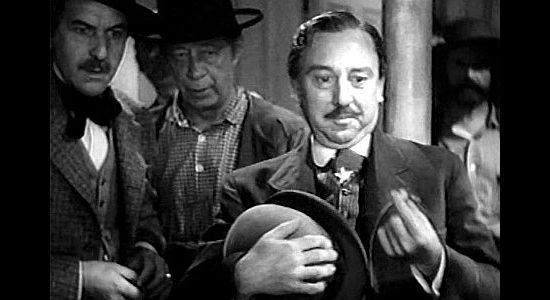
Porter Hall as Jack McCall, boasting about being Wild Bill Hickok’s friend in The Plainsman (1936)
Memorable lines:
Cooper, to a gambler who’s been cheating: “I’m calling the hand that’s in your hat.”
Calamity Jane, as Wild Bill wipes off her kiss: “Oh, you four-flushin’ mule. You ain’t wiping it off. You’re rubbing it in.”
Louisa Cody, upon hearing talk of her husband’s exploits: “Does he kill like that?”
Wild Bill: “Ain’t a corpse-maker like him, honey!”
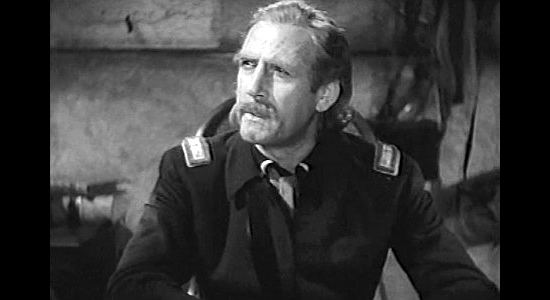
John Miljan as George Armstrong Custer, listening to Wild Bill Hickok’s tale of Indian trouble in The Plainsman (1936)
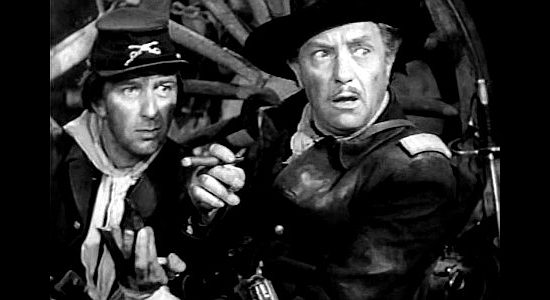
Purnell Pratt (right) as Capt. Wood, learning Calamity Jane has gone for reinforcements in The Plainsman (1936)
Wild Bill to John Lattimer: “Yellow Hand has been farming with your farming tools.” He shows him the pelt of a skunk. “You know what this is?”
Lattimer: “Skunk.”
Wild Bill: “Yes.” Then he slaps Lattimer with it.
Lattimer: “I’m not armed, Mr. Hickok. I’m not armed.”
Will Bill: “I’ll give you three minutes to fix that. I’ll be waiting outside.
Lattimer: “I’m just leaving town.”
Wild Bill: “You’re not leaving town unless dead men can walk.”
Jack McCall: “I’m going to be a big man in this country.”
Calamity Jane: “You’ll have to grow about a foot.”
Wild Bill: “Keep your hands off your guns or there will be more dead men here than the town can afford to bury.”
Calamity, holding a dead Wild Bill in her arms: “That’s one kiss you won’t wipe off.”
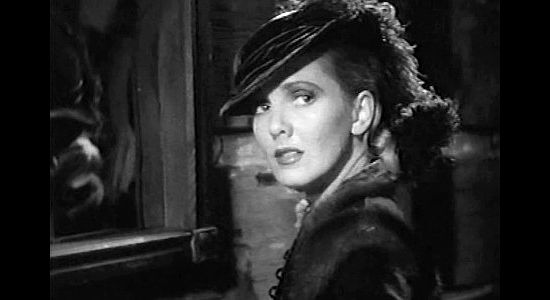
Jean Arthur as Calamity Jane, all dolled up and about to get an unwelcome visit from the Cheyenne in The Plainsman (1936)
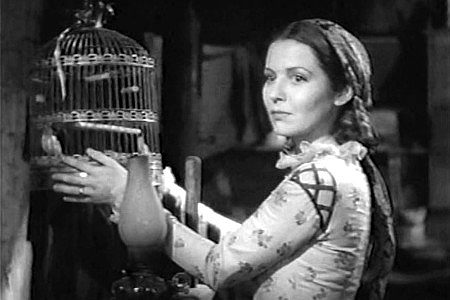
Helen Burgess as Louisa Cody, planning to have Buffalo Bill settle down and run a hotel with her in The Plainsman (1936)
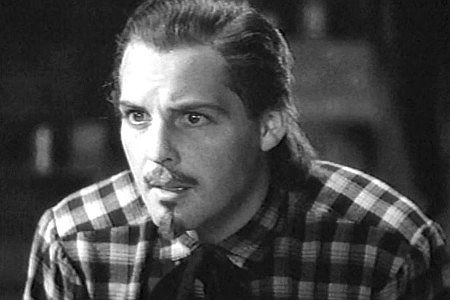
James Ellison as Buffalo Bill Cody, listening to Wild Bill explain the calamity faced by the cavalry in The Plainsman (1936)
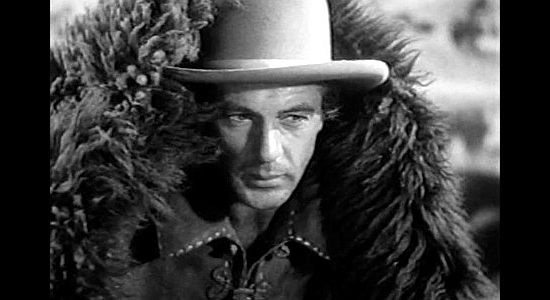
Gary Cooper as Wild Bill Hickok, doing his scouting disguised in a buffalo robe in The Plainsman (1936)
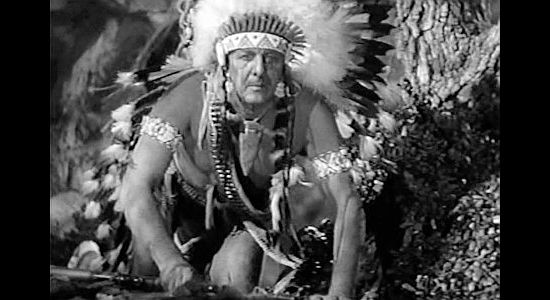
Paul Harvey as Yellow Hand, the Cheyenne chief ensuring he was provided accurate information in The Plainsman (1936)
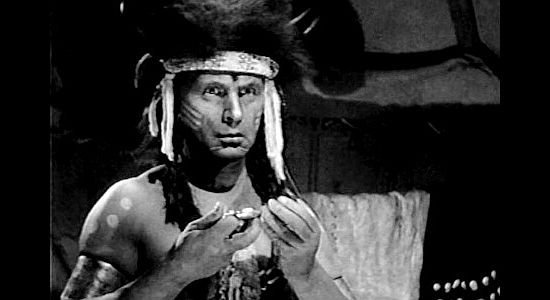
Victor Varconi as Painted Horse, noticing the picture of Calamity Jane in Wild Bill’s watch in The Plainsman (1936)
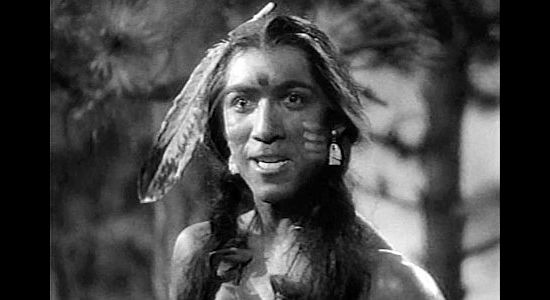
Anthony Quinn as a Sioux warrior, gleefully sharing news of Custer’s demise in The Plainsman (1936)
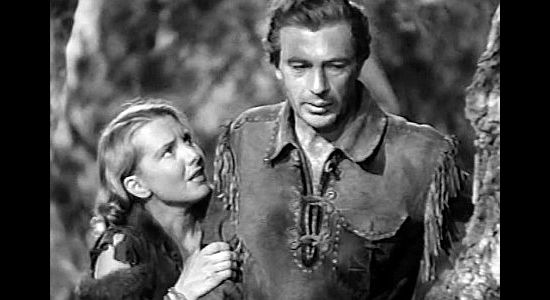
Jean Arthur as Calamity Jane, fearful as Wild Bill (Gary Cooper) decides to help the trapped troopers in The Plainsman (1936)
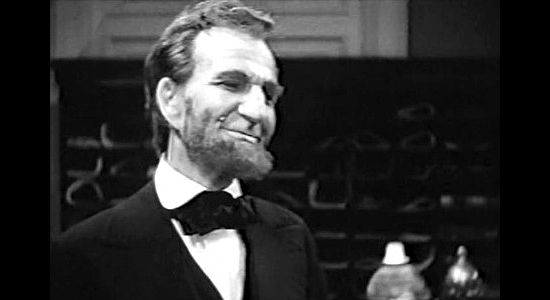
Frank McGlynn Sr. as Abraham Lincoln, declaring that the West must be made safe for settlers in The Plainsman (1936)
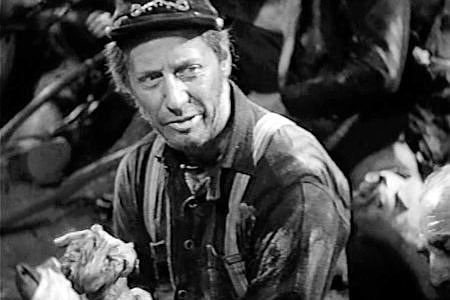
Irving Bacon as one of the cavalrymen ambushed by Yellow Hand’s Cheyenne’s in The Plainsman (1936)
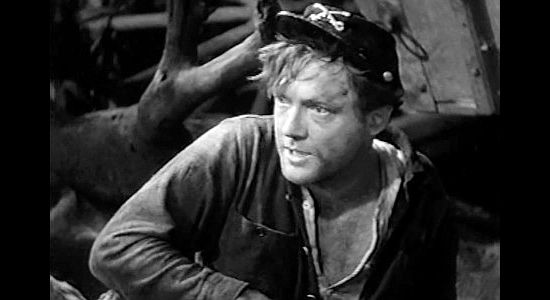
Frank Albertson as a cavalryman become more and more hysterical as the Cheyenne siege continues in The Plainsman (1936)

Charles Bickford as John Lattimer, facing a long overdue showdown with Wild Bill in The Plainsman (1936)
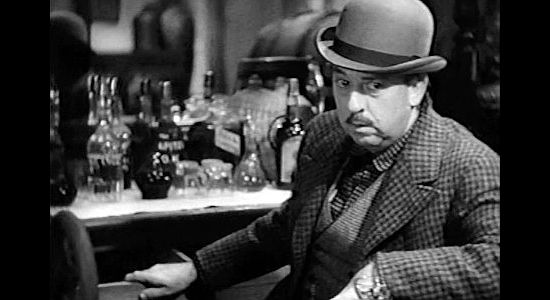
Porter Hall as Jack McCall, watching Wild Bill Hickok play poker in a Deadwood saloon in The Plainsman (1936)
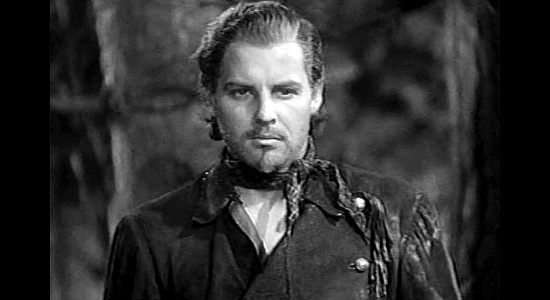
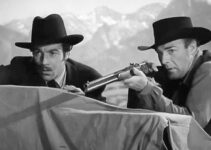
James Ellison as Buffalo Bill Cody, sent by Custer to bring in Wild Bill Hickok for killing three soldiers in The Plainsman (1936)
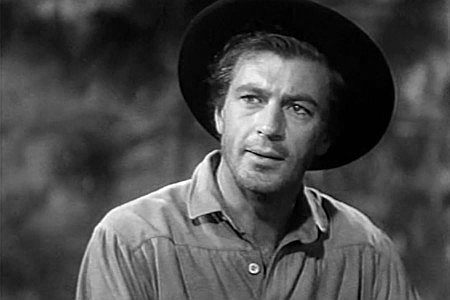
Gary Cooper as Wild Bill Hickok, wondering whether Buffalo Bill plans to bring him in alive or dead in The Plainsman (1936)
)